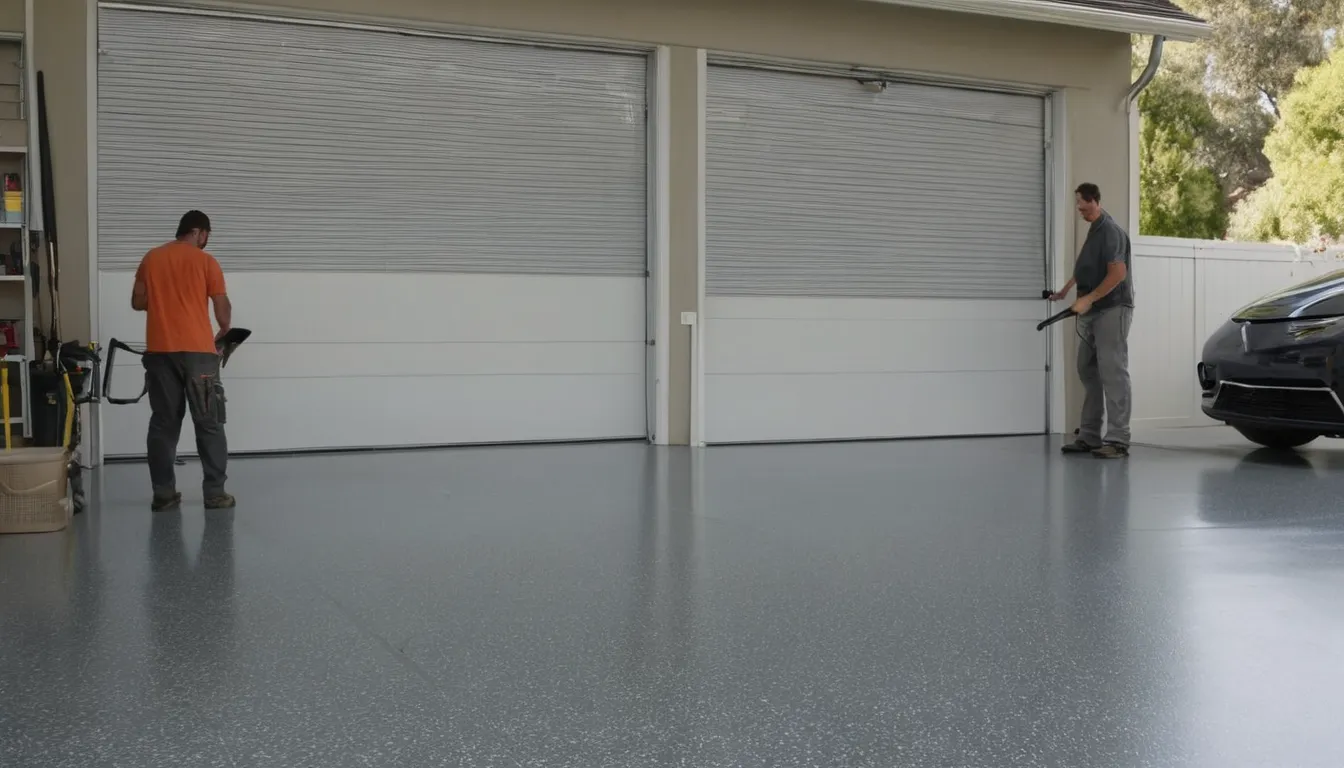
An epoxy garage floor is a hard, bonded coating applied over bare concrete. It resists oil, tire marks, and everyday scuffs. It also makes sweeping and hosing off dust much easier. Many homeowners choose it when the slab looks worn, stained, or chalky.
Problemsbeaten Floor Coating is a referral service. It does not do the coating work. It connects homeowners in Cahokia Heights with independent local providers in our network. Each provider sets its own prices, schedule, and methods. Your job is simple: collect written estimates, line them up side by side, and choose at your own pace. No pressure, no rush. You can ask questions along the way.
Garage Floor Looking Rough? Start Here
Oil stains, dusty concrete, and flaking paint are the usual warning signs. None of them fix themselves. Run this quick check first:
- Look for cracks wider than a credit card.
- Note any white powder or damp patches.
- See whether old paint peels off in sheets.
Write down what you find. Providers will ask. Problemsbeaten Floor Coating connects homeowners in Cahokia Heights with independent local providers. The provider does the work, not Problemsbeaten Floor Coating.
First, Check the Slab
The slab decides how long a coating lasts. A sound, dry slab takes epoxy well. A damp or crumbling one does not.
Moisture
Tape a clear plastic sheet to the floor for a day. Water beneath it points to moisture rising through the concrete. Tell every provider about it. Many will run their own moisture test before they quote.
Cracks and Pits
Small cracks can be filled. Wide cracks, sunken sections, or heaved edges may need repair first. Ask each provider how they handle them, and make sure it appears in writing.
Why Prep Matters More Than the Product
Most coating failures start under the coating. Epoxy needs a rough, clean surface to grip. Smooth, sealed, or oily concrete lets it peel.
Good prep usually means:
1. Degreasing oil spots. 2. Grinding the surface with a diamond grinder. 3. Filling cracks and chips. 4. Vacuuming all dust away.
Acid etching from a store kit is weaker than grinding. If a quote skips prep details, ask why.
Common Epoxy Floor Systems
Next, learn the main options. Names vary, but most fall into three groups.
- Thin clear or solid-color coat. Keeps the price down. Shows wear sooner.
- Broadcast flake system. Colored chips are scattered into wet epoxy. Hides small flaws and adds grip.
- Thick build or metallic finish. More layers, a deeper look, and a higher price.
Custom floor finishes, such as blended colors or a gloss level you pick, are usually available. Ask to see a sample board.
What a Typical Install Looks Like
Then comes the work itself. Timing differs by provider, but the order is similar.
1. Clear the garage. 2. Grind and repair the slab. 3. Roll on a primer coat. 4. Apply the colored epoxy layer. 5. Add flakes, if chosen. 6. Finish with a clear topcoat.
The floor needs time to cure before cars and heavy items return. Ask the provider for exact wait times in writing.
Request Help
Topcoats and Sunlight
A garage door left open lets sun hit the floor. Some epoxy can yellow or look cloudy under strong UV light. A topcoat helps protect the color and adds scratch resistance.
Ask each provider which topcoat they use and why. Some use a urethane layer. Some use a different clear coat. Compare the answers, not just the prices.
Get the Garage Ready
First, empty the space. Move bikes, shelves, tools, and paint cans. Next, clear a path outside for equipment. Then plan where the cars will park while the floor cures.
- Fix leaks from the roof or door seals.
- Check that the downspouts push water away from the slab.
- Move anything that cannot handle fumes.
If the garage connects to your home, ask how the provider handles ventilation and odor.
Caring for the New Floor
Care is simple.
- Sweep or dust-mop weekly.
- Mop with mild cleaner and water.
- Wipe spills when they happen.
- Use mats under jack stands and bike kickstands.
Avoid harsh solvents and abrasive pads. Hot tires can lift weak coatings, which is another reason prep matters. Ask the provider for care notes in writing.
Climate Notes for the Cahokia Heights area
Cold winters bring deep frost and road salt. Salt-laden melt drips off cars and sits on the floor. Hot, humid summers can slow curing and raise moisture in the slab. Spring flooding and full basements with sump pumps are a reminder to check for dampness.
Providers in the Cahokia Heights area know these swings. Ask how they plan around season and humidity.
Request Help
Questions to Ask Each Provider
Use the same list with every provider. It keeps the comparison fair.
1. What prep method will you use? 2. Will you test for moisture? 3. Which system and topcoat is in the quote? 4. How many coats, and what thickness? 5. How long until I can walk and drive on it? 6. What does the written warranty cover, if any? 7. Can I see photos of similar jobs?
Request a callback to check provider availability in your area.
Compare, Then Decide
Lay the written estimates side by side. Check prep, materials, coats, topcoat, cure time, and what is excluded. A quote that looks much cheaper than the others may leave out grinding or crack repair.
No pressure, no rush. You can ask more questions or walk away with no obligation. Some homeowners also ask about hardwood flooring installation for other rooms. Mention it, since many floor providers handle more than one surface.
Request Help
What's Included
Surface Grinding
Providers grind the concrete so the coating can grip and last longer.
Crack Repair
Small cracks and chips are filled and leveled before any coating goes down.
Base and Color Coats
Primer and colored epoxy layers are rolled on, with optional flakes for texture.
Clear Topcoat
A protective clear layer adds scratch resistance and helps with sun exposure.
Typical Epoxy Garage Floor Price Ranges
Prices vary by garage size, slab condition, and system. These are typical U.S. ranges for a two-car garage, not quotes. Get written estimates from several providers, then compare what each one includes.
| Item | Typical range | Notes |
|---|
| Basic solid-color epoxy | $1,500 – $3,500 | Thin coat, fewer layers |
| Flake system with topcoat | $2,500 – $5,500 | Popular for grip and looks |
| Metallic or custom finish | $4,000 – $8,000 | More skill and more layers |
| Crack and pit repair | $200 – $1,000 | Depends on damage extent |
| Old coating removal | $300 – $1,500 | Needed if paint is peeling |
| Moisture barrier primer | $300 – $1,200 | Used on damp slabs |
Request Help
How It Works
Check Your Slab
Note cracks, stains, damp spots, and peeling paint so your descriptions to providers are accurate.
Request Local Estimates
Ask for written quotes from a few independent providers in the network.
Compare Line by Line
Match prep, coats, topcoat, and cure time across every estimate.
Decide and Schedule
Pick the provider that fits, confirm the details in writing, and set a date.
Why Call Problemsbeaten Floor Coating
Organized Process
Clear steps and checklists help a first-timer know what to ask and when.
Side-by-Side Quotes
Compare written estimates line by line instead of guessing from one price.
Independent Providers
Local providers set their own methods, schedules, and prices for each job.
No Obligation
Request an estimate, ask questions, and decide on your own timeline.
Other Services