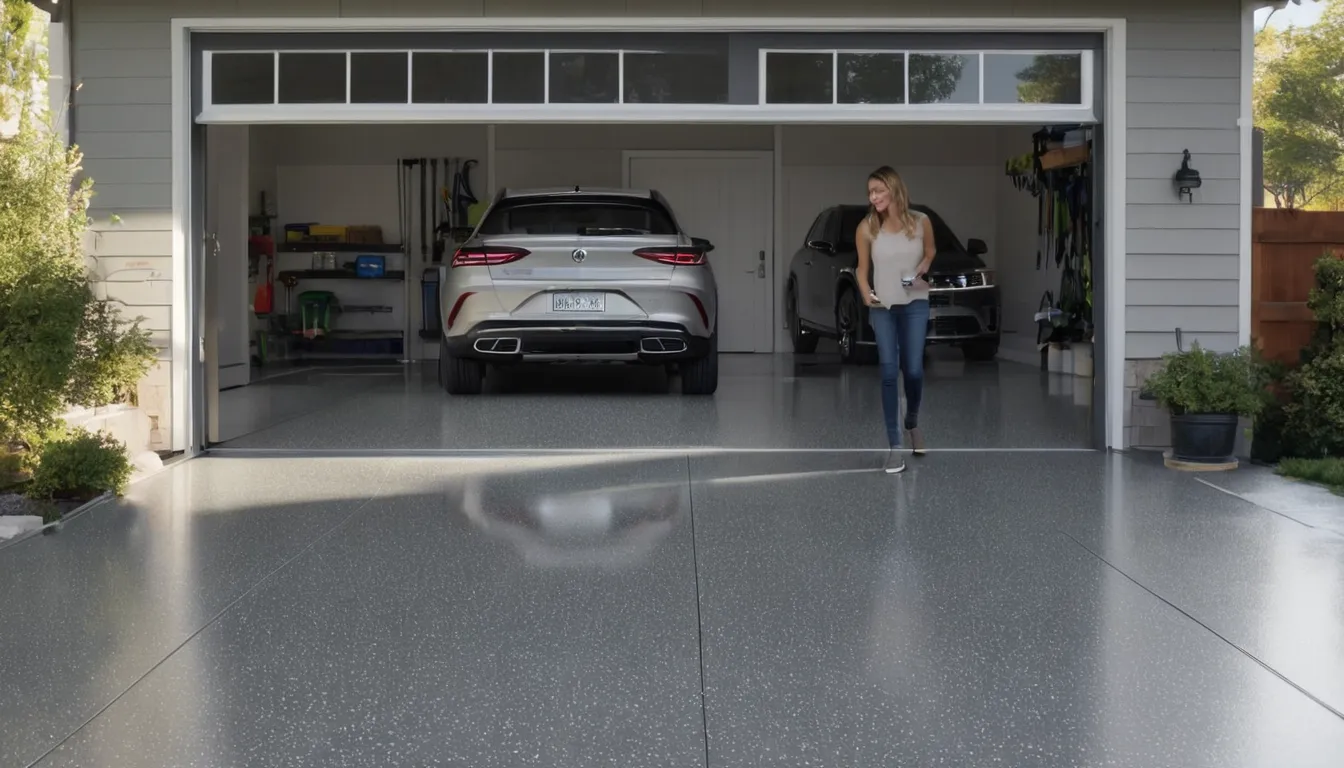
Polyaspartic floor coating is a tough, thin layer that goes over prepared concrete. It cures fast, so many garages are usable again sooner than with older coatings. It also resists scuffs, oil, and sun, which makes it popular for garage floors, basements, and covered patios.
Problemsbeaten Floor Coating is a referral service. We do not install anything ourselves. We connect homeowners in Cahokia Heights and the Cahokia Heights area with independent providers in our network. This page walks a first-timer through the basics, then shows how to compare written estimates side by side. No pressure, no rush, and no obligation to hire anyone.
Need Your Garage Back Quickly?
Polyaspartic is often the first coating people look at when time matters. Many systems cure in hours instead of days. Timing varies by provider, product, and temperature, so treat any schedule as an estimate.
Here is the short checklist for a first project:
- First, check the slab.
- Next, collect two or three written estimates.
- Then, compare and decide.
Request Help
What Polyaspartic Means in Plain Words
Polyaspartic is a type of polyurea coating. It is thin, hard, and can be clear or tinted. Some providers use it as a topcoat over another layer. Others use it for the whole floor system.
It is known for resisting scratches, tire marks, and sunlight. That is why it shows up so often in garages and on covered porches.
How Polyaspartic Differs From Epoxy
Put the two side by side and compare these points:
- Cure time: polyaspartic sets in hours. Epoxy often needs a few days before cars return.
- Sunlight: polyaspartic is less likely to turn yellow. Epoxy can amber over time.
- Working window: polyaspartic sets fast, so the installer has less time to spread it. Skill matters.
- Price: polyaspartic usually costs more per square foot.
Epoxy still has strengths. It bonds well and often fits a tighter budget. The right pick depends on how you use the space.
Full Polyaspartic or Hybrid System?
A full system uses polyaspartic for the primer, color, and clear coat. A hybrid uses an epoxy base with a polyaspartic topcoat.
Ask each provider which one they are quoting. Hybrid systems often cost less. Full systems often finish faster. Neither is wrong. The point is to know what each estimate includes.
First, Check the Slab
A coating is only as good as the concrete under it. Before anyone quotes, look for these:
- Cracks and chipped edges
- Oil stains and old sealers
- Damp spots, especially after rain
- Low spots where water pools
Basements with sump pumps and older frame houses can have moisture moving through the slab. Tell every provider what you see. A moisture test is a fair thing to ask for.
The Installation Process, Step by Step
Most jobs follow the same order:
1. The provider grinds the surface so the coating can grip. 2. Cracks and chips get filled and smoothed. 3. A primer or base coat goes down. 4. Color flakes are scattered, if you chose them. 5. A polyaspartic topcoat seals the floor. 6. The floor cures before use.
Many floors allow light foot traffic within hours. Car traffic often waits a day or so. Ask for the exact schedule in writing.
Where Polyaspartic Works Well
- Attached and detached garages
- Workshops and utility rooms
- Covered patios and porches
- Dry, sealed basement floors
Garages that get sun through the door benefit from the UV resistance. Homes with other flooring plans can mix jobs. Some providers in our network also handle work like hardwood flooring installation, but this page stays on coatings.
Weather and Timing
This region has cold winters with deep frost and hot, humid summers. Both affect coatings. A cold slab slows curing. Heat and humidity can shorten the working time.
Spring flooding and heavy storms add another concern: moisture. Ask providers how they check the slab and the air before they coat. Also ask which months they prefer. Spring and fall are often easier, but providers differ.
Request Help
Choosing Colors and Flake Blends
Color choice is the fun part, but keep it practical:
- Light floors show more light but also show dirt.
- Dark floors hide dirt but show dust.
- Flake blends hide small marks and add grip.
- Solid colors look clean but show scuffs more.
Ask to see a sample board in your own garage light. Many custom floor finishes look different under bright daylight than under shop lights.
Caring for a Polyaspartic Floor
Care is simple. Sweep or dust mop often. Wipe spills when you see them. Use a mild cleaner and a soft mop. Skip harsh scrubbing pads.
Felt or rubber pads under heavy tool chests help prevent scratches. In winter, wipe off road salt and melted slush, since standing water can leave marks.
Questions to Ask the Installer
Bring this list to every conversation:
- Is the quote for a full or hybrid system?
- How will you prepare and test the slab?
- What brand and thickness are you using?
- How long until I can walk and drive on it?
- What does the written warranty cover?
- What happens if the floor peels or bubbles?
Compare, Then Decide
Line up your estimates in a simple table. Match scope, materials, prep, and timing. A big price gap usually means a difference in what is included.
There is no deadline to choose. No pressure, no rush.
Request Help
What's Included
Surface Grinding
The provider grinds the concrete so the polyaspartic coating can grip and last.
Crack and Chip Repair
Small cracks, pits, and chipped edges are filled and smoothed before any coating goes on.
Color and Flake Options
Choose solid colors or flake blends, then see samples before the provider starts working.
Clear Topcoat
A hard polyaspartic layer seals the floor against scuffs, oil, and sun.
Typical Polyaspartic Coating Costs in the U.S.
These are typical U.S. ranges. Real prices vary by slab condition, garage size, system type, and local rates. Use them to spot gaps, then ask each provider for a written, itemized quote.
| Item | Typical range | Notes |
|---|
| Single-car garage (about 200 sq ft) | $1,600 – $3,200 | Full system with prep and topcoat |
| Two-car garage (about 400 sq ft) | $2,800 – $6,000 | Size and flake choice shift the price |
| Epoxy base with polyaspartic topcoat | $4 – $8 per sq ft | Hybrid system, often lower than full |
| Diamond grinding and surface prep | $1 – $3 per sq ft | Needed for most jobs |
| Crack and spall repair | $200 – $800 | Depends on how much damage exists |
| Moisture barrier primer | $1 – $4 per sq ft | Useful for damp or basement slabs |
Request Help
How It Works
Check Your Slab
Look for cracks, stains, and damp spots, and write down what you notice.
Request an Estimate
Tell us about your floor, and we connect you with local providers in our network.
Compare Written Quotes
Line up scope, materials, prep, and timing so you can see real differences.
Decide With No Pressure
Choose a provider when you are ready, or skip it. The choice is yours.
Why Call Problemsbeaten Floor Coating
Compare Written Estimates
Providers in our network quote on their own, so you can set estimates next to each other.
Clear Steps
A simple checklist keeps a first project organized and easy to follow.
No Obligation
Requesting an estimate does not commit you. Take your time and decide calmly.
Local Providers
You are matched with independent providers who know local weather and housing.
Other Services